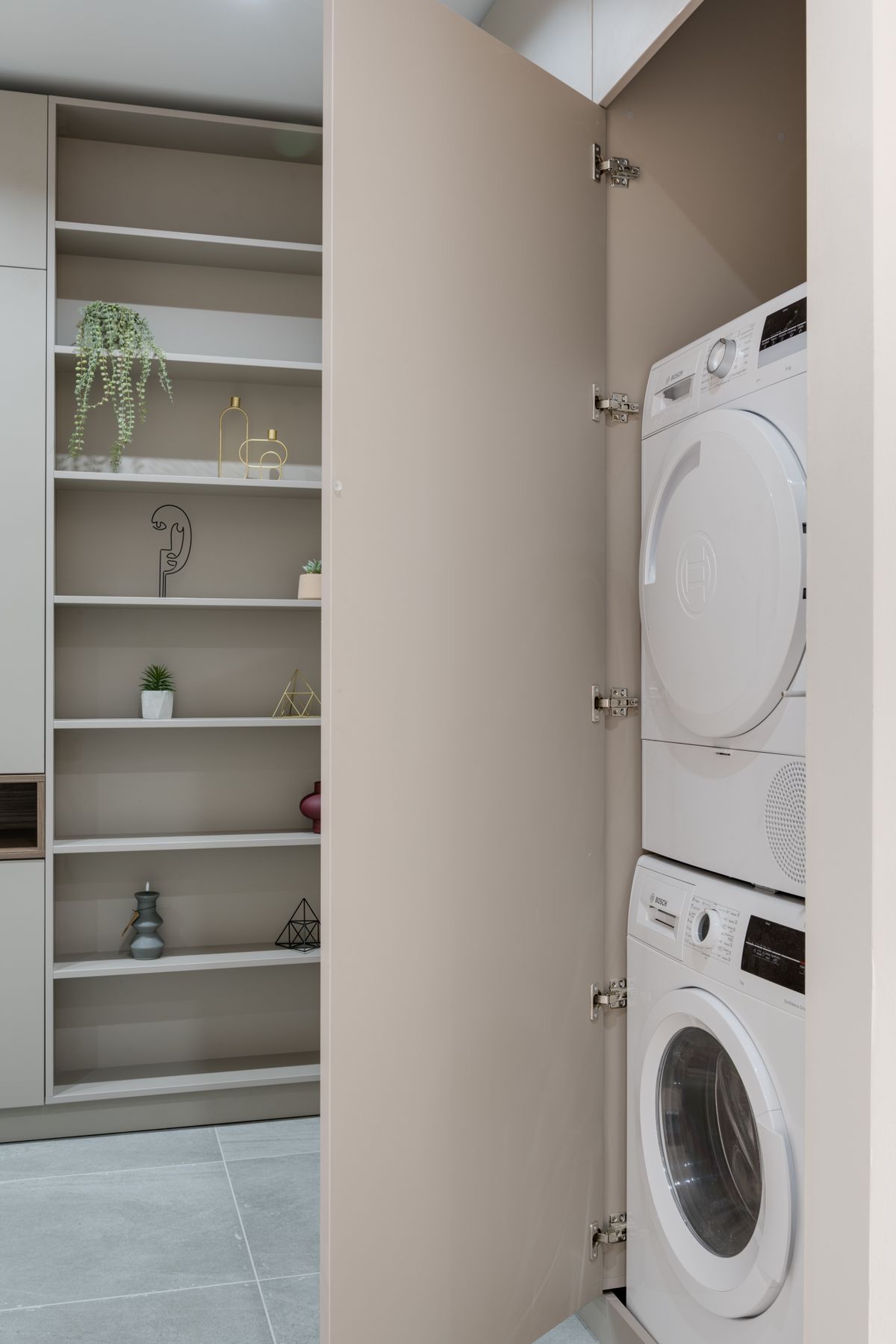
A dryer that runs without producing heat is one of the most common appliance complaints we hear. You press start, the drum spins, and everything sounds normal — but an hour later, your laundry is still wet. The good news is that the cause is usually straightforward to identify. This guide covers the six most frequent reasons a dryer loses heat, what you can safely check yourself, and when it makes sense to call a licensed technician.
1. Clogged Lint Trap or Exhaust Vent
A blocked lint system is the number-one reason dryers stop heating — and also the most dangerous. When lint accumulates in the trap, exhaust hose, or exterior vent, airflow drops sharply. The dryer overheats, and a safety device called the thermal fuse blows to prevent a fire. Once the thermal fuse trips, the heating element loses power entirely, even though the drum keeps spinning.
What to check
Pull out the lint screen and inspect it. If it feels coated even after you wipe it, fabric softener residue may have built up on the mesh — scrub it with warm, soapy water and a soft brush. Next, disconnect the exhaust hose from the back of the dryer and look for lint buildup inside. Finally, step outside and check the exterior vent flap. If it barely opens when the dryer runs, the duct is restricted.
The U.S. Fire Administration reports that clothes dryers cause roughly 2,900 home fires every year, and the leading cause is failure to clean the lint system. Clean the lint screen before every load and have the full exhaust duct professionally cleaned at least once a year.
2. Blown Thermal Fuse
The thermal fuse is a one-time safety device mounted on the exhaust duct inside the dryer or near the heating element. When the dryer overheats — usually because of poor airflow — the fuse blows and permanently cuts power to the heater. Unlike a circuit breaker, a thermal fuse cannot be reset; it must be replaced.
What to check
If your dryer was working fine yesterday and suddenly stopped heating today, a blown thermal fuse is a strong possibility. The dryer will still tumble and run its timer, but the drum will stay cold. A technician can test the fuse for continuity with a multimeter. If the fuse has blown, the technician should also diagnose why it blew — usually a vent restriction — to prevent the replacement fuse from blowing again.
3. Faulty Heating Element (Electric Dryers)
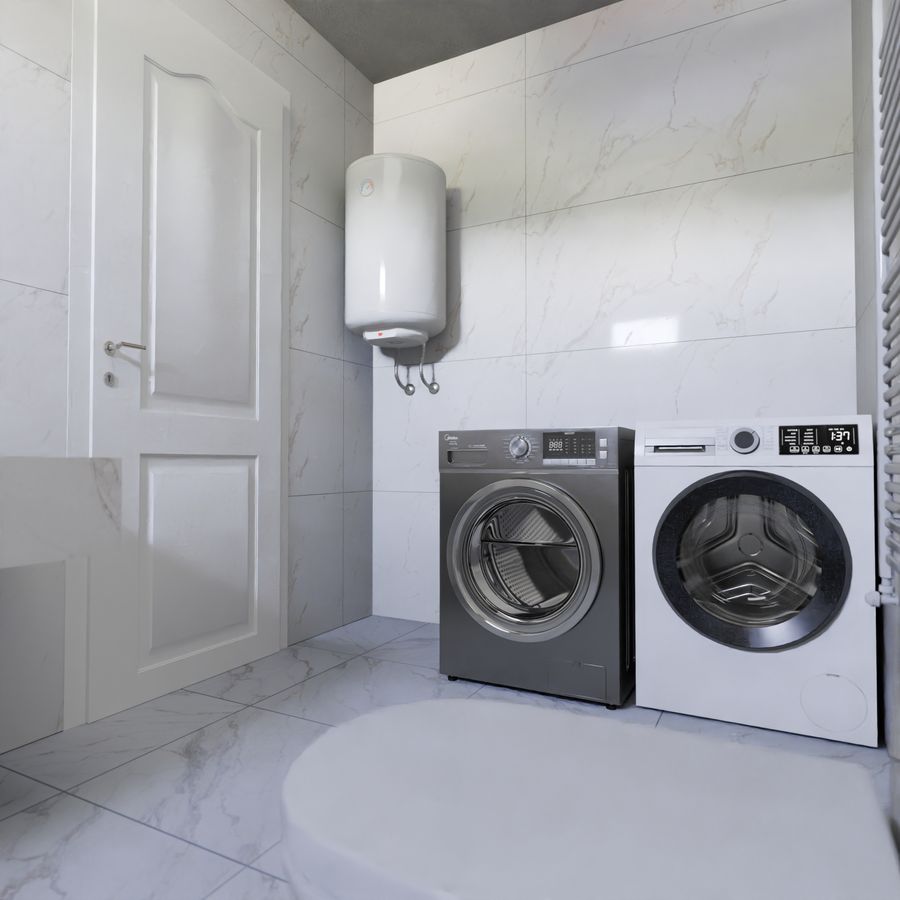
In electric dryers, a coiled wire heating element produces the heat that dries your clothes. Over time, this coil can develop breaks or burn through entirely. When it fails, the dryer runs normally but produces no warmth at all. The element is located inside the dryer cabinet, typically behind the drum or along the back panel.
What to check
Start the dryer on a timed heat cycle and hold your hand near the inside of the drum after a few minutes. If there's no warmth whatsoever, the element may be open. A technician can visually inspect the coil for breaks and use a multimeter to test for continuity. Replacing a heating element involves working with 240-volt wiring — this is not a safe DIY job.
4. Defective Gas Igniter or Gas Valve Solenoid (Gas Dryers)
Gas dryers use an igniter to light the gas burner that generates heat. If the igniter weakens or fails, it can't reach the temperature needed to open the gas valve, and the burner never lights. Similarly, the gas valve solenoids that control fuel flow can wear out over time, causing intermittent or total loss of heat.
What to check
First, confirm that the gas supply valve behind the dryer is fully open. If the valve is open and the dryer still produces no heat, the igniter or solenoid is likely the problem. A failing igniter often causes intermittent heating — the dryer heats at the start of a cycle but loses heat partway through. Gas igniter and valve solenoid repairs must be performed by a licensed technician due to the risks involved with gas appliances.
If you smell gas near your dryer at any time, do not attempt any repairs. Turn off the gas supply valve, open windows for ventilation, leave the area, and call your gas utility provider or a licensed technician immediately.
5. Malfunctioning Cycling Thermostat
The cycling thermostat monitors the air temperature inside the drum and turns the heating element (or gas burner) on and off to maintain the selected heat level. When this thermostat fails, it can get stuck in the open position, which keeps the heater permanently off. The dryer tumbles at room temperature, and clothes never dry.
What to check
If your dryer starts warm but cools down quickly, or if it runs an entire cycle with no heat at all, a faulty cycling thermostat could be the cause. This part is typically mounted on the blower housing or inside the dryer cabinet. A technician can test it for continuity and replace it if needed.

6. Tripped Circuit Breaker or Incorrect Power Supply
Electric dryers require a dedicated 240-volt circuit with a double-pole breaker in your electrical panel. This circuit uses two breaker handles ganged together. In rare cases, only one leg of the breaker trips while the other stays on. When this happens, the dryer gets enough power to run the motor and controls (120V) but not enough to power the heating element (240V). Everything appears to work — except there's no heat.
What to check
Open your electrical panel and find the breaker labeled for the dryer. It should be a double breaker. If one side has tripped, flip both sides fully off and then back on. If the breaker trips again immediately, there may be a wiring issue — contact an electrician. For gas dryers, this problem doesn't apply, but make sure the dryer is plugged in securely and the outlet is working.
When to Call a Professional
Cleaning the lint trap and exhaust vent, checking your breaker, and verifying the dryer settings are all safe first steps you can take on your own. But if the problem persists after these checks, a professional should take over. Issues involving the heating element, thermal fuse, gas igniter, or internal thermostat require disassembling the dryer and working with high-voltage electrical connections or gas lines.
A trained technician can accurately diagnose the root cause, replace the correct component, and verify that the dryer operates safely before leaving. Attempting internal repairs without the right tools and knowledge can lead to electrical shock, gas leaks, or further damage to the appliance.
Serving the East Bay — Swift Appliance Repair provides same-day dryer diagnostics and repair across Concord, Walnut Creek, Pleasant Hill, Martinez, and the surrounding area. All work is backed by our 90-day labor warranty.