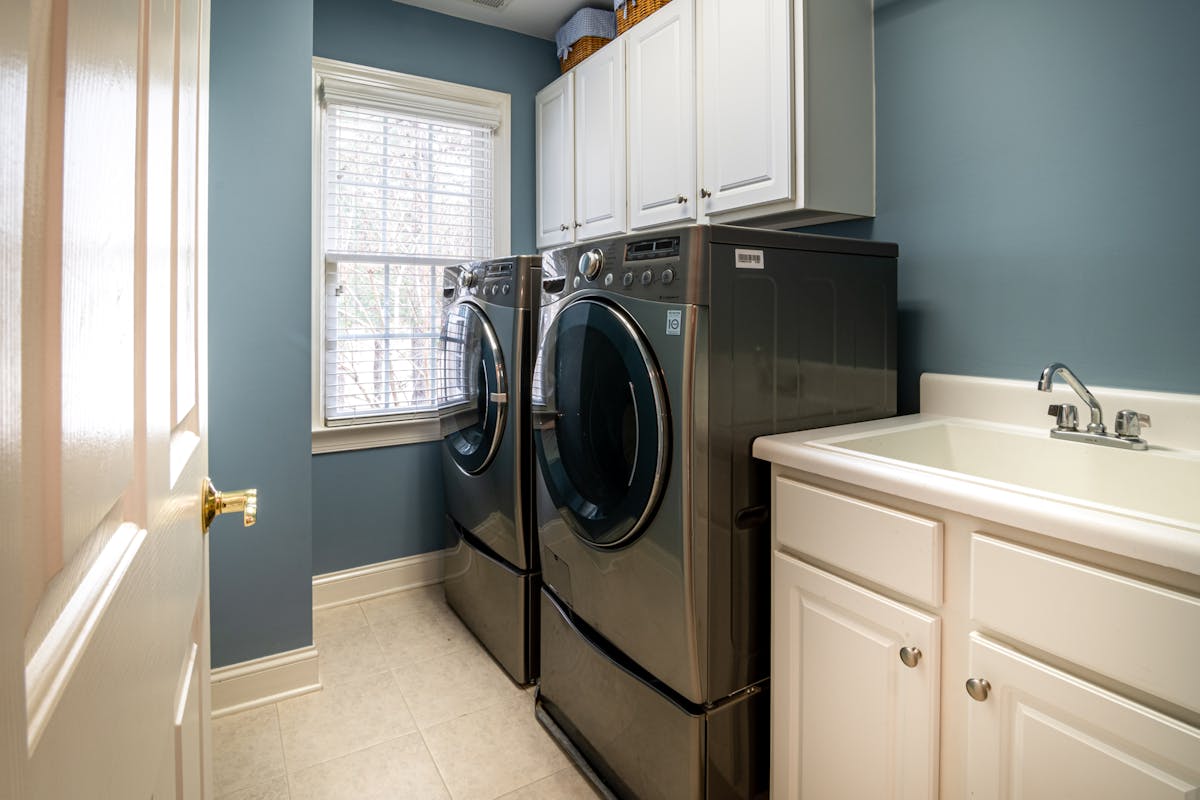
A washer that washes but won't spin is one of the most frustrating appliance problems. Clothes come out soaking wet, dripping all over the floor, and you're left wondering whether the machine needs a simple fix or a complete replacement. In most cases the issue comes down to one of five mechanical or electrical failures, and identifying the right one can save you both time and money.
1. Worn or Broken Drive Belt
The drive belt wraps around the drum and the motor pulley, transferring the motor's rotation to the tub. Over years of use the belt stretches, cracks, and eventually snaps. When it breaks, the motor still runs (you can hear it humming) but the drum sits motionless because nothing is connecting the two.
What to check
Start a spin cycle and listen carefully. If you hear the motor running but the drum doesn't move at all, a broken belt is the most likely cause. Some washers also produce a burning rubber smell when the belt is slipping before it fully breaks. A technician can access the belt by removing a panel and replace it in under an hour in most models.
Not all washing machines use a belt. Many newer direct-drive models connect the motor straight to the drum. If your washer is a direct-drive model, skip this section and check the motor coupler instead (cause #3 below).
2. Faulty Lid Switch or Door Latch
Every top-load washer has a lid switch, and every front-loader has a door latch with a lock mechanism. These safety devices prevent the machine from spinning while the lid or door is open. If the switch or latch assembly fails, whether mechanically or electrically, the washer's control board thinks the door is open and refuses to start the spin cycle, even when the door is fully closed and latched.
What to check
On a top-load washer, open and close the lid and listen for a distinct click from the lid switch. If you don't hear it, the switch mechanism may be broken. On a front-loader, make sure the door closes firmly and the lock engages. You should hear the latch click and then a brief pause before the cycle starts. If the washer fills and agitates but skips the spin entirely, a faulty lid switch or door latch is a strong suspect.
3. Failed Motor Coupler (Direct-Drive Washers)
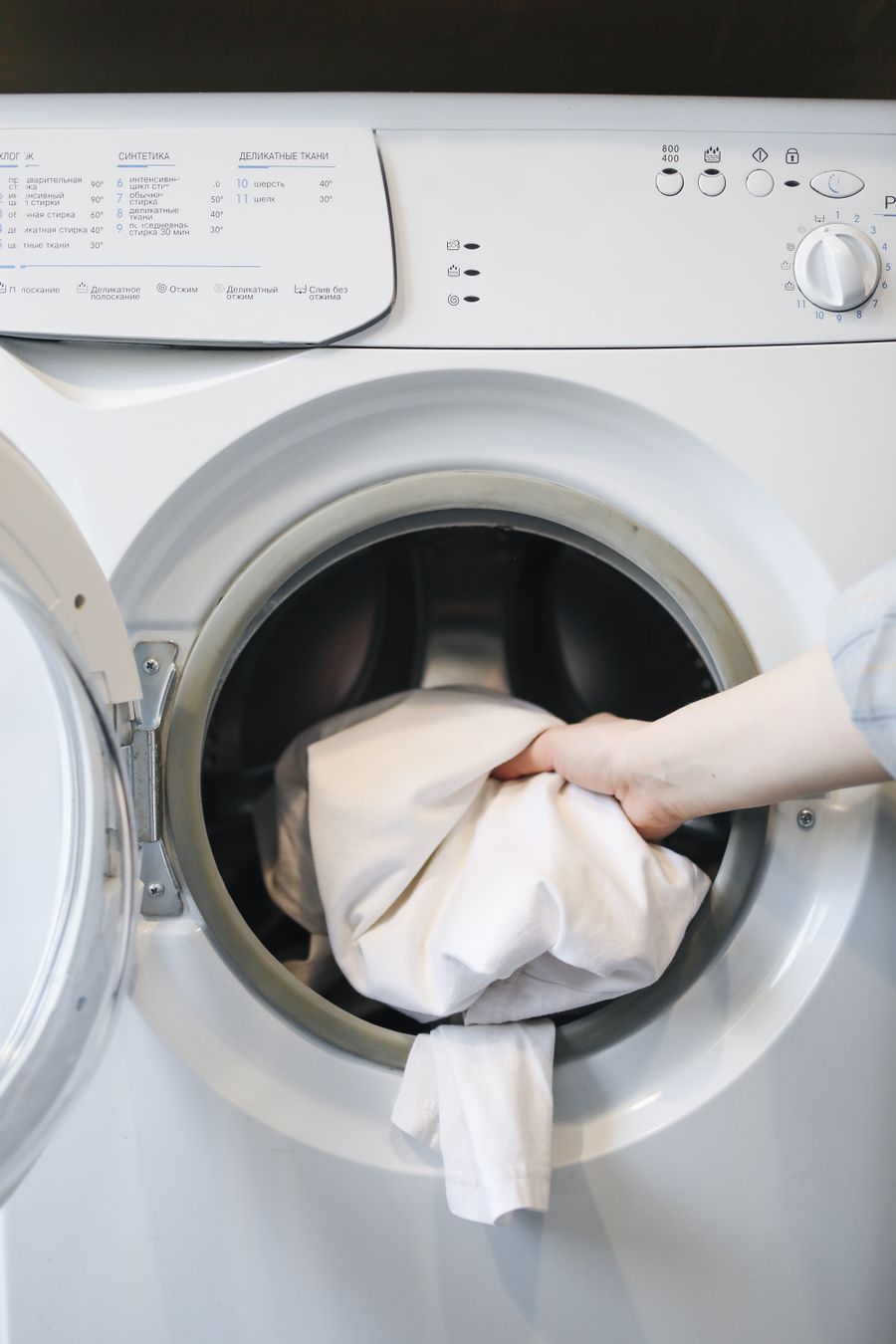
In direct-drive washing machines, common in many Whirlpool, Kenmore, and Maytag models, a small plastic and rubber motor coupler connects the motor shaft to the transmission. This part is deliberately designed to be the weakest link: when the drum is overloaded or jams, the coupler breaks instead of the motor or transmission, protecting the more expensive components.
What to check
A broken motor coupler shares the same symptom as a broken belt: the motor hums, but the drum doesn't turn. The difference is that belt-drive washers have a visible belt behind a panel, while direct-drive washers don't. If your washer is a direct-drive model and you hear the motor running without drum movement, the coupler has likely sheared. Replacing the coupler is a moderate repair that involves removing the motor and accessing the connection point between the motor and transmission.
A motor coupler typically costs much less than a new motor or transmission. If your washer suddenly stopped spinning after a heavily loaded cycle, a broken coupler is the most cost-effective diagnosis you can hope for. The repair is straightforward and the part is affordable.
4. Clogged Drain Pump or Blocked Drain Hose
Before a washer can spin, it needs to drain the water from the tub. If the drain pump is clogged or the drain hose is kinked or blocked, water stays in the drum and the washer either refuses to spin or spins slowly and ineffectively. Small items like coins, hair clips, socks, and bra underwires are the most common culprits. They slip past the drum and lodge in the pump or filter.
What to check
Look for standing water in the drum after a cycle ends. If the tub is still full or mostly full, drainage is the problem. Many front-load washers have an accessible drain filter behind a small panel at the bottom front of the machine. Place a towel and a shallow pan underneath, open the filter cap, and let the water drain out. Check the filter for trapped debris. Also inspect the drain hose behind the washer for kinks or obstructions.
5. Control Board or Motor Issue
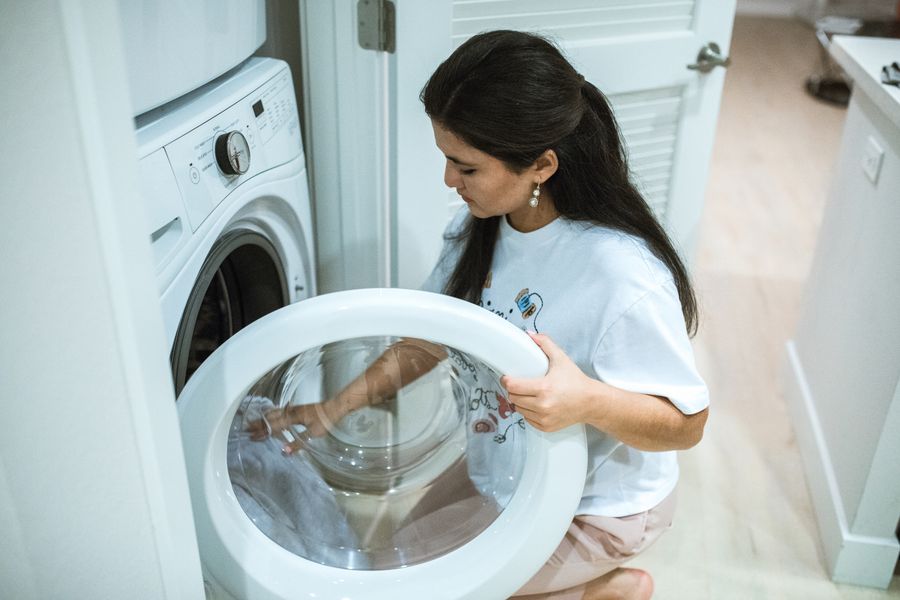
The electronic control board is the brain of a modern washing machine. It manages every phase of the cycle (fill, wash, drain, and spin) by sending signals to the motor, valves, and sensors. When the board develops a fault, it can skip the spin phase entirely, throw error codes, or behave erratically. Similarly, the drive motor itself can fail: a worn motor may start and stop, produce a loud buzzing sound, or trip the machine's thermal overload protector.
What to check
If none of the previous causes apply (the belt or coupler is intact, the lid switch clicks, and the drain is clear) the control board or motor is the next area to investigate. Look for error codes on the washer's display panel and check the owner's manual for their meaning. A blinking light pattern or a specific code often points directly to the failed component. Diagnosing and replacing a control board or motor requires specialized tools and knowledge, so this is a job for a qualified technician.
When to Call a Professional
Redistributing an unbalanced load, cleaning the drain filter, and checking the lid switch are safe first steps you can handle at home. But if the drum still won't spin after those checks, the problem is mechanical or electrical and requires a trained technician. Drive belt and motor coupler replacements involve accessing the machine's interior and working near moving parts and electrical connections. Control board diagnosis requires testing with a multimeter and understanding the wiring schematic for your specific model.
A qualified technician can pinpoint the exact component, order the correct replacement part for your washer's make and model, and get the machine running again safely. Attempting internal repairs without the right tools can lead to further damage or personal injury.
Serving the East Bay. Swift Appliance Repair provides same-day washer diagnostics and repair across Concord, Walnut Creek, Pleasant Hill, Martinez, and the surrounding area. All work is backed by our 90-day labor warranty.